Frequencies
A sound bath for sleep — warm, resonant tones that carry you down into deep rest.
What this scene is
Frequencies is Sleep Sine's sound-therapy scene — a sound bath built from the resonant frequencies at the heart of the sound-healing tradition, including 432 Hz and the Solfeggio tones. Instead of a recorded environment, it wraps you in a single warm, resonant tone that gently pulses and eases down through the night, from a relaxed alpha rhythm into the slow delta range of deep sleep. The pitch you pick (432, 528, 396, 174, or 639 Hz) is voiced an octave or two lower than its name, so it reads as a deep hum rather than a thin whistle.
On a speaker the beat is delivered as isochronic pulses (the tone softly switching on and off); on headphones it can use binaural beats (a slightly different pitch in each ear, which the brain hears as a beat). A soft breathing glow tracks the beat and dims as the night deepens, and an optional brown-noise bed fills the quiet between pulses. Set brightness to zero for a black, audio-only screen.
How brainwave entrainment works for sleep
As you fall asleep, your dominant brain rhythm slows: beta (awake) → alpha (relaxed, eyes closed) → theta (drifting off) → delta (deep sleep). Rhythmic audio at those low rates is a long-standing relaxation technique — the idea is that a gentle, steady beat gives your attention something slow and predictable to settle onto. Sleep Sine's descent walks the beat down that same ladder over roughly half an hour, then holds a slow delta beat for the rest of the night.
Two things happen at once, and people often confuse them: the carrier is the audible pitch you hear (the 432 Hz hum); the beat is the much slower on/off or left-right rate (around 10 Hz down to ~2.5 Hz) that does the entraining. You choose the carrier for how it sounds; the descent program chooses the beat.
Isochronic vs binaural — which to use
- Isochronic (speaker-friendly). One tone, pulsed on and off with a soft raised-cosine edge so there are no clicks. Works out loud on a phone, iPad, or Apple TV — no headphones needed. This is the default on a speaker.
- Binaural (headphones only). A slightly different pitch in each ear; the brain perceives the difference as a beat. The effect only exists with headphones or earbuds — on a speaker the two tones just blend. Sleep Sine can switch automatically based on whether headphones are connected, or you can force a mode.
The frequencies
The named tones come from two traditions: 432 Hz is an alternative concert tuning, and the others are "Solfeggio" frequencies popularized in the sound-healing community. These are cultural and traditional associations, not medical claims — Sleep Sine makes no health claims, and the best approach is to pick whichever simply sounds most calming to you.
432 Hz · Natural
An alternative tuning to the standard A=440, often described as warmer or calmer. The most popular all-purpose choice, and the scene's default.
528 Hz · Miracle
The best-known Solfeggio tone, traditionally called the "love" or "miracle" frequency. Bright and resonant; voiced down two octaves it becomes a deep, smooth hum.
396 Hz · Liberation
Associated in the Solfeggio tradition with releasing worry and tension — a common pick for an anxious wind-down.
174 Hz · Foundation
The lowest tone in the set, already in a deep register. Grounding and sub-bass — good for all-night, felt-in-the-chest listening.
639 Hz · Connection
A soft, harmonizing tone. The brightest carrier; pleasant held at a steady theta beat rather than a full descent.
The descent
Three programs shape how the beat steps down:
- Sleep Descent — the full ladder: about ten minutes of alpha to ease in, twenty of theta to drift, then delta held all night. The default.
- Deep Theta — skips the long alpha ease-in and goes straight to theta, then delta. For people who fall asleep quickly.
- Delta Hold — a short settle, then a slow delta beat for the whole night.
A timeline along the bottom shows the current phase, a countdown, and the local clock time each phase begins; you can skip forward or back through phases at any time. As the beat descends, both the tone and the visual grow darker and warmer, so an all-night session ends almost black and almost silent.
Entrainment tones are a relaxation aid, not a medical treatment. Keep the volume low, use them for sleep onset, and if you are prone to seizures, consult a doctor before using rhythmic audio-visual stimulation.
Who Frequencies works best for
- People who already fall asleep to 432 Hz or 528 Hz tracks on YouTube or Spotify — this generates them cleanly, with no ads and no looping.
- Binaural-beat and isochronic-tone listeners who want a proper descent program rather than a single fixed beat.
- Minimalists who want a black screen and a single warm hum — set brightness to zero.
- All-night sleepers who like a deep, low tone that fades into near-silence rather than a busy environment.
What each control does
Tone and Descent are pickers at the top of the tuning panel; the rest are sliders. Saving a configuration as a 12-character "sine" captures all of them — the gallery codes below are exactly these combinations.
- Tone
- The carrier pitch — 432, 528, 396, 174, or 639 Hz (synthesized an octave or two lower for sleep).
- Descent
- The beat program — Sleep Descent, Deep Theta, or Delta Hold.
- Beat Mode
- Auto, Isochronic (speaker), or Binaural (headphones). Auto picks based on your audio route.
- Brightness
- Overall display brightness. Zero = a black, audio-only screen.
- Warmth
- Color of the breathing glow, cool to amber.
- Glow Size
- How large and soft the orb is.
- Volume
- Master volume, on a perceptual curve so the whole slider is usable.
- Noise Bed
- Audio mix: a continuous brown-noise wash under the tone. Zero = pure tone.
Frequencies sine gallery
Each "sine" below is a saved configuration of the Frequencies scene. Scan the QR with your phone, or tap the code — Sleep Sine opens and loads the exact scene the gallery describes.
-
432 Hz Sleep Descent
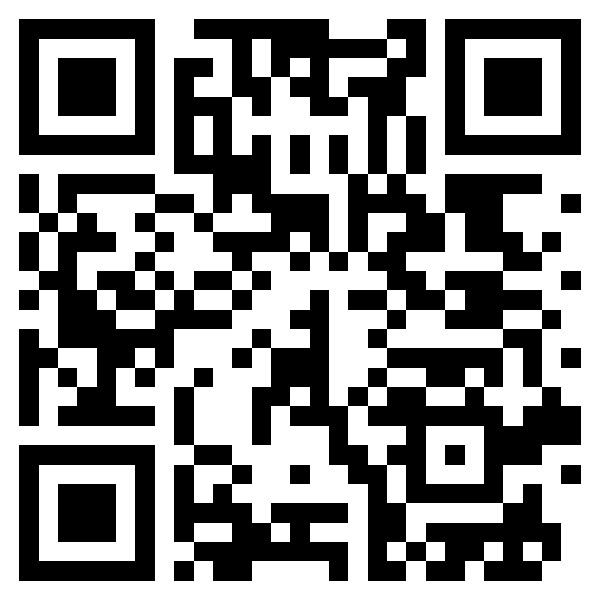
The default: a warm 432 Hz hum that steps down alpha → theta → delta over the night, with a faint noise bed.
Best for: First listen. The cleanest representative of the Frequencies scene.
-
528 Hz Drift
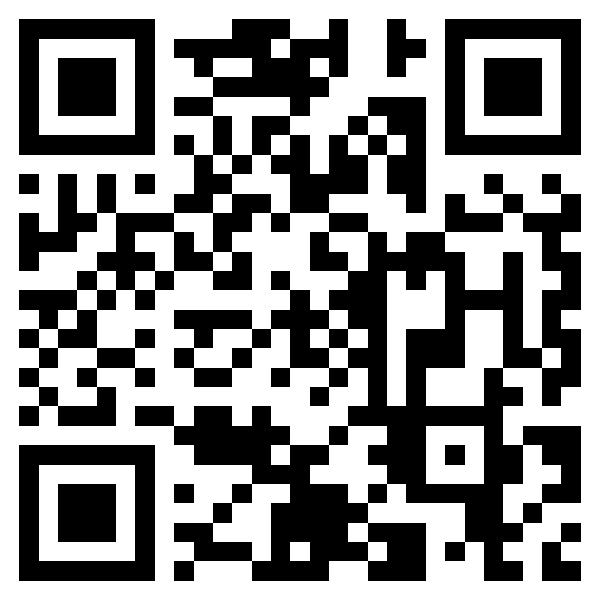
The popular 528 Hz tone, voiced low and warm, on the full sleep descent. A touch brighter glow.
Best for: People who came specifically for the 528 Hz "love frequency" tradition.
-
396 Hz Letting Go
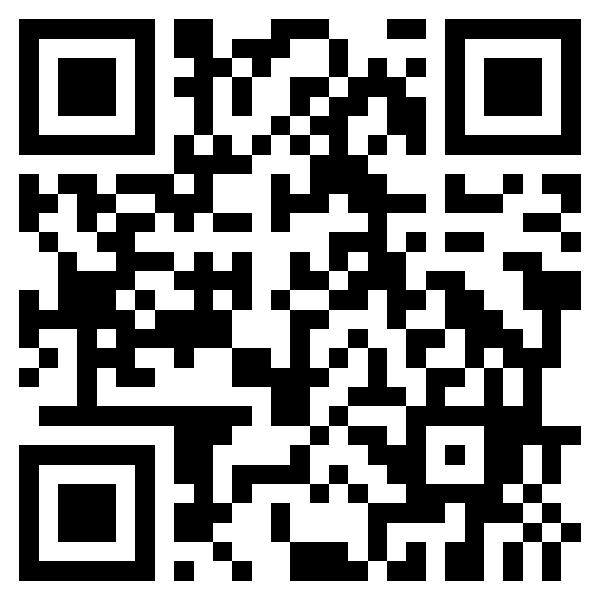
396 Hz — associated in the Solfeggio tradition with easing worry — on a gentle descent.
Best for: Wind-down after an anxious day. A grounding, low carrier.
-
639 Hz Harmony
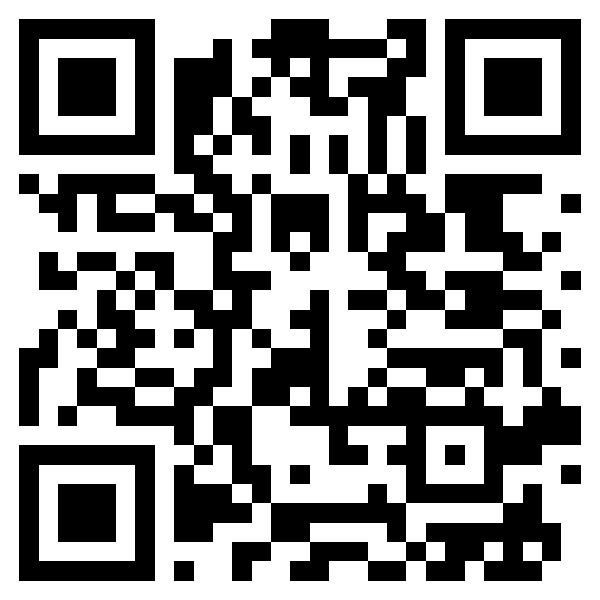
The soft, harmonizing 639 Hz tone with a warm palette, holding a steady theta beat.
Best for: Listeners who prefer a present, harmonic tone over the deepest registers.
-
174 Hz Grounding
The lowest, most grounding carrier on an all-night delta hold. Dimmed visual, fuller noise bed.
Best for: Deep, low, all-night play. For people who like a felt, sub-bass hum.
-
Deep Theta
Skips the long alpha ease-in — straight into a theta beat, then delta. For quicker sleepers.
Best for: People who fall asleep fast and don't need the slow build.
-
Delta Hold
A short settle, then holds a slow delta beat all night. Dim, warm, quiet.
Best for: All-night sleepers who want the deep register from the start.
-
All-Night Delta
Near-dark visual, prominent noise bed, deepest beat. Designed to disappear into the room overnight.
Best for: Sleeping to it all night with the screen barely lit.
-
Theta Float
528 Hz held at a theta beat with a soft, larger glow. Floating, not descending.
Best for: Meditation and pre-sleep float, rather than a full night descent.
-
Quiet Hum
Low 174 Hz carrier with the bed pushed forward and the tone pulled back. Mostly a warm wash.
Best for: Shared bedrooms — atmosphere and masking without an obvious tone.
-
Bright Calm
432 Hz on the full descent with a brighter breathing glow and almost no noise bed.
Best for: People who want to watch the orb breathe while they drift off.
-
Pure Tone
The 432 Hz descent with the noise bed off entirely — just the warm harmonic hum.
Best for: Purists who want the tone alone, no masking layer.
Other scenes
Sleep better tonight
Free on iPhone, iPad, and Apple TV. Frequencies included in the preview; a single one-time unlock opens every scene forever.
Download on the App Store